Buying a used car can be exciting, but it also comes with risks. Even if the car looks perfect on the outside and the price seems right, hidden problems can lead to expensive repairs down the road. That’s why a pre-purchase vehicle inspection is essential. A thorough inspection helps you make an informed decision, giving you peace of mind and protecting your investment.
Choose a Certified, Independent Mechanic
The first step in a successful inspection is selecting a qualified mechanic. Ideally, you want a certified, independent professional—not someone affiliated with the seller. Independent mechanics provide unbiased assessments, ensuring that any issues are reported honestly. Their certification and experience also give you confidence that nothing will be overlooked.
When scheduling a pre-purchase vehicle inspection, confirm that the mechanic has experience with the make and model of the vehicle. This expertise ensures they know what common problems to look for, from engine quirks to transmission issues.
Must-Check Areas During the Inspection
A proper inspection goes beyond a visual check of the car’s exterior. Here are the key areas a thorough inspection should cover:
Engine Health
The engine is the heart of the car, so it’s critical to ensure it’s in good condition. The mechanic will look for leaks, unusual noises, or signs of poor maintenance. They may also check fluid levels, belts, and hoses for wear or damage.
Accident and Frame History
Even minor accidents can affect a car’s structural integrity. A professional inspection includes checking the frame, looking for signs of collision repairs, and verifying the vehicle history report to ensure there’s no hidden damage.
Electrical Systems
Modern vehicles rely heavily on electronics, from infotainment systems to safety features. The mechanic will test lights, dashboard indicators, and critical electrical components to make sure everything functions correctly.
Suspension and Steering
Issues with the suspension or steering can affect comfort, safety, and tire wear. The inspection will include a thorough check of shocks, struts, and steering components to identify wear or misalignment.
Tires and Brakes
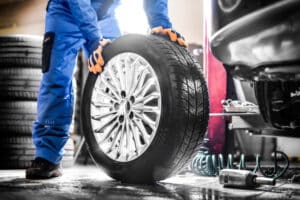
Tires and brakes are critical for safety. Inspecting tread depth, tire condition, brake pads, and rotor health ensures the car can stop and handle properly.
Diagnostic Error Codes
A modern vehicle has numerous sensors and onboard computers. Scanning for error codes can reveal hidden problems that aren’t immediately visible, such as transmission issues, emission system faults, or engine misfires.
Maintenance History
Reviewing the vehicle’s maintenance history gives insight into how well it was cared for by previous owners. Regular oil changes, fluid replacements, and timely repairs are good indicators of a well-maintained vehicle. This ties directly into proper Routine Maintenance & Servicing, which plays a crucial role in the longevity and reliability of any vehicle.
The Cost-Benefit of a Pre-Purchase Vehicle Inspection
A pre-purchase vehicle inspection is a small investment compared to the potential cost of repairing hidden problems. While inspection fees vary, they are minor compared to the thousands you could spend on engine, transmission, or suspension repairs if issues go unnoticed.
For example, detecting a minor oil leak or worn brake pads before buying can save hundreds or even thousands of dollars in immediate repairs. In some cases, the inspection may even reveal serious issues that give you leverage to negotiate the price—or walk away from a car that isn’t worth it.
Tips for Maximizing Your Inspection
Be Present During the Inspection
If possible, accompany the mechanic while they check the car. Ask questions about any findings to understand the severity of issues and potential future costs.
Prioritize Safety and Functionality
While cosmetic issues can be frustrating, focus on mechanical and safety-related problems first. A car with minor scratches or dings may be fine, but hidden engine or brake issues are deal-breakers.
Request a Written Report
A detailed inspection report serves as documentation of the car’s condition. It provides peace of mind and a reference for negotiations with the seller.
Compare with Market Value
Use the inspection results to evaluate whether the vehicle is priced fairly. Unexpected repairs or worn components may justify a lower offer.
Why a Pre-Purchase Inspection Matters
Purchasing a used car without a professional inspection is risky. Many problems may not be obvious during a test drive or visual evaluation. By investing in a pre-purchase vehicle inspection, you gain:
- Unbiased evaluation from an experienced technician
- Identification of hidden mechanical or safety issues
- Better negotiating power with the seller
- Assurance that your vehicle will be reliable and safe
Ultimately, the small fee for an inspection is far less than the potential cost of buying a car with hidden defects. It’s an investment in peace of mind, safety, and long-term value.
Trust Oil Rig Automotive for Pre-Purchase Vehicle Inspections
At Oil Rig Automotive, our certified technicians provide thorough pre-purchase vehicle inspections that cover every critical system, from engine health and brakes to electronics and suspension. We combine professional expertise with honest assessments to help you make a confident buying decision.
Pairing an inspection with routine upkeep ensures your next vehicle remains reliable for years to come. Schedule your inspection today and experience the difference of working with a trusted automotive team.